Best Sun-Resistant Fabric for Outdoor Use
Best Sun-Resistant Fabric for Outdoor Use
What Is the Most Sun-Resistant Fabric for Outdoor Use?
Solution-dyed acrylic is widely considered the most sun-resistant fabric for outdoor upholstery, cushions, and shade applications. Because pigment is added while the acrylic fibers are formed—not applied only to the finished surface—the color resists fading under prolonged ultraviolet exposure.
For demanding installations, choose a solution-dyed acrylic rated for exterior use and verify the manufacturer’s UV-testing or fade-resistance specifications. Premium outdoor grades commonly carry warranties of five years or longer against significant color loss.
Why Solution-Dyed Acrylic Retains Its Color
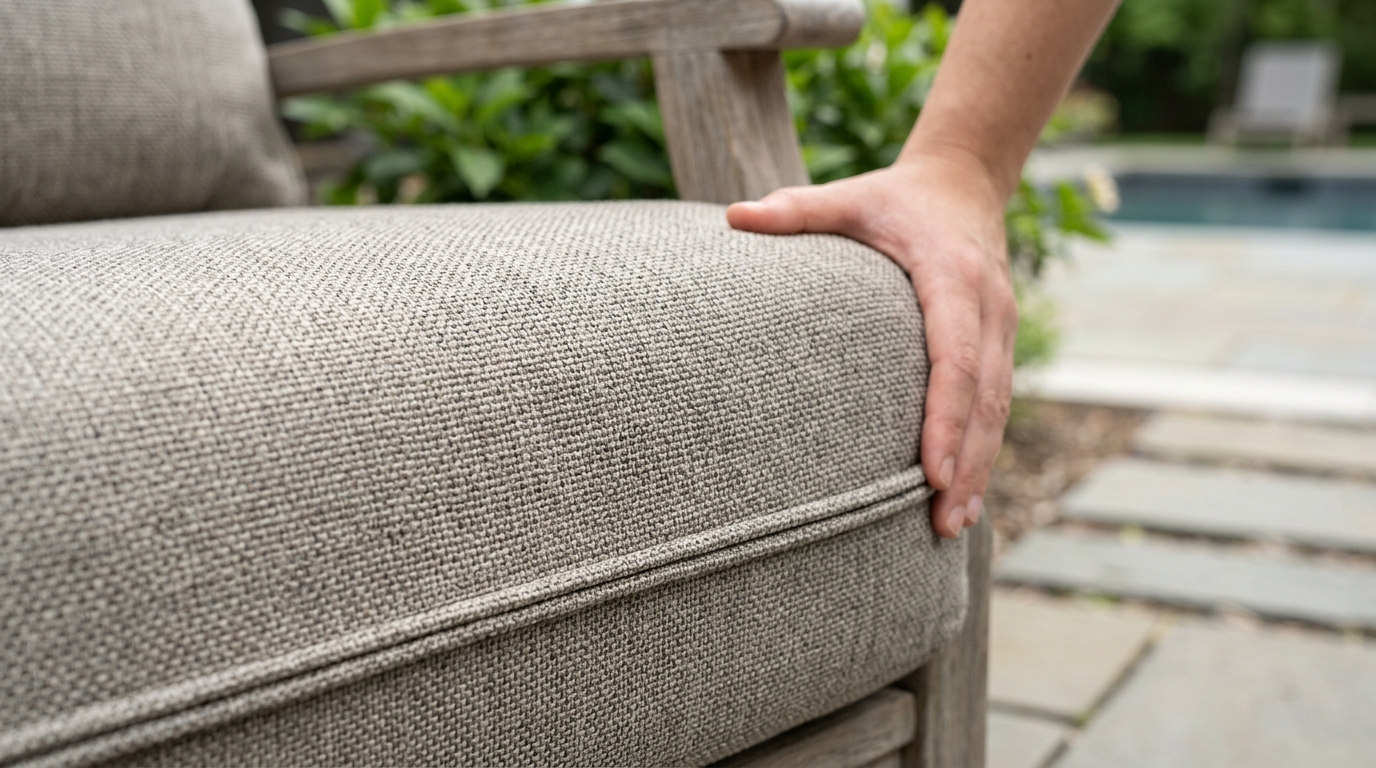
In conventional dyed fabric, sunlight can gradually break down pigment concentrated near the fiber surface. Solution-dyed acrylic has color throughout each fiber, so ordinary wear or cleaning does not expose a noticeably different shade underneath.
Use this material for patio cushions, awnings, umbrellas, and marine seating that receive several hours of direct sun daily. Select tightly woven fabric with UV inhibitors for additional protection against fiber degradation.
Featured in this guide
Essential Fabric Care for Outdoors | Outdoor Fabric Care eBook | Digital Download Guide for Cleaning, Protecting & Maintaining Outdoor Fabrics
Check UV Ratings Before Buying
“Outdoor fabric” alone does not guarantee strong fade resistance. Review the technical sheet for accelerated lightfastness testing, warranty duration, and whether the fabric is approved for full outdoor exposure rather than covered patios only.
For sun shades or clothing, also check the ultraviolet protection factor. A UPF 50 rating allows approximately 1/50 of ultraviolet radiation to pass through, but UPF measures protection beneath the fabric rather than resistance to fading.
Choose the Right Material for the Application
Solution-dyed polyester can provide dependable UV resistance at a lower price, although long-term color retention varies by grade. Olefin resists moisture, mildew, and many stains, making it practical near pools, but premium solution-dyed acrylic generally offers a softer upholstery feel and stronger performance in sustained sun.
Confirm compatibility with the project before ordering: upholstery fabric needs abrasion resistance, while awning fabric requires suitable dimensional stability and tension. Request a sample and place it in the intended location to evaluate color and texture in natural light.
Protect Outdoor Fabric From Premature Wear
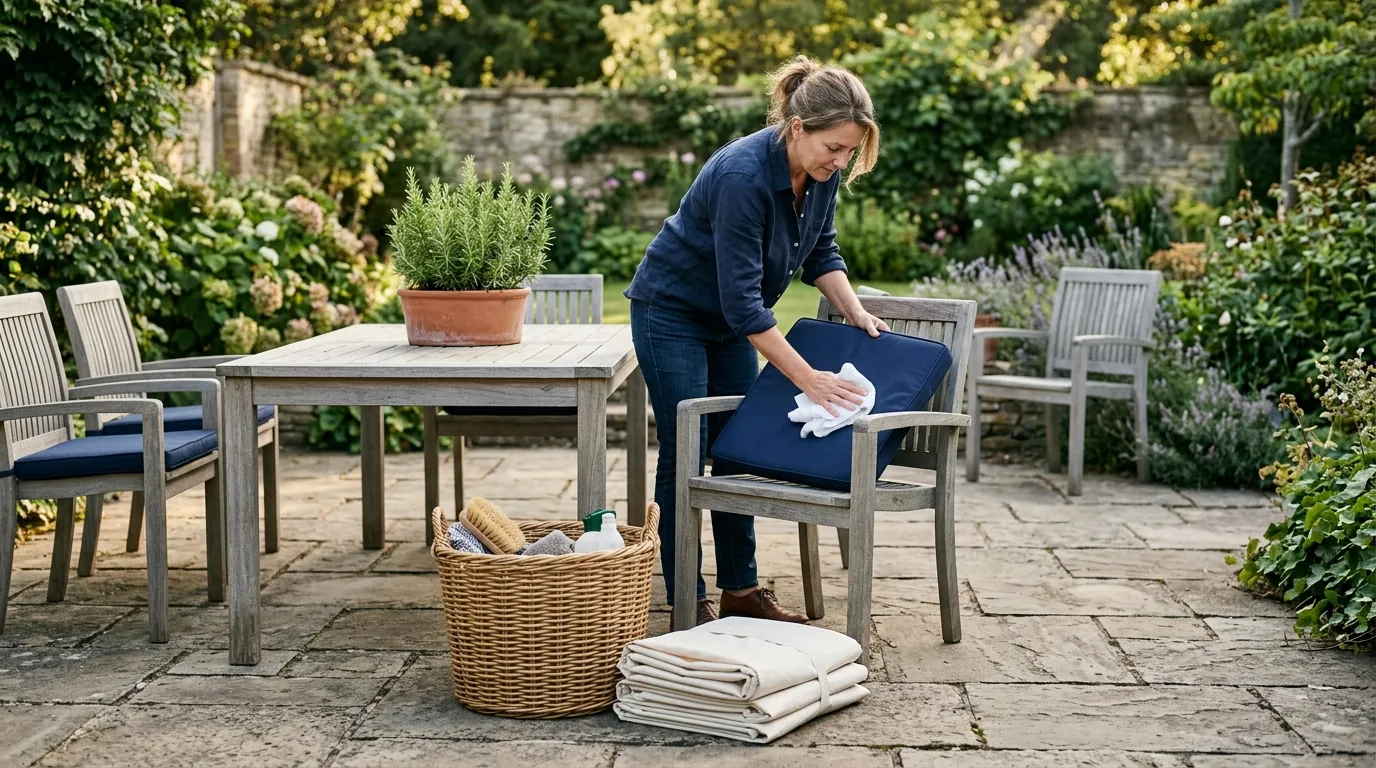
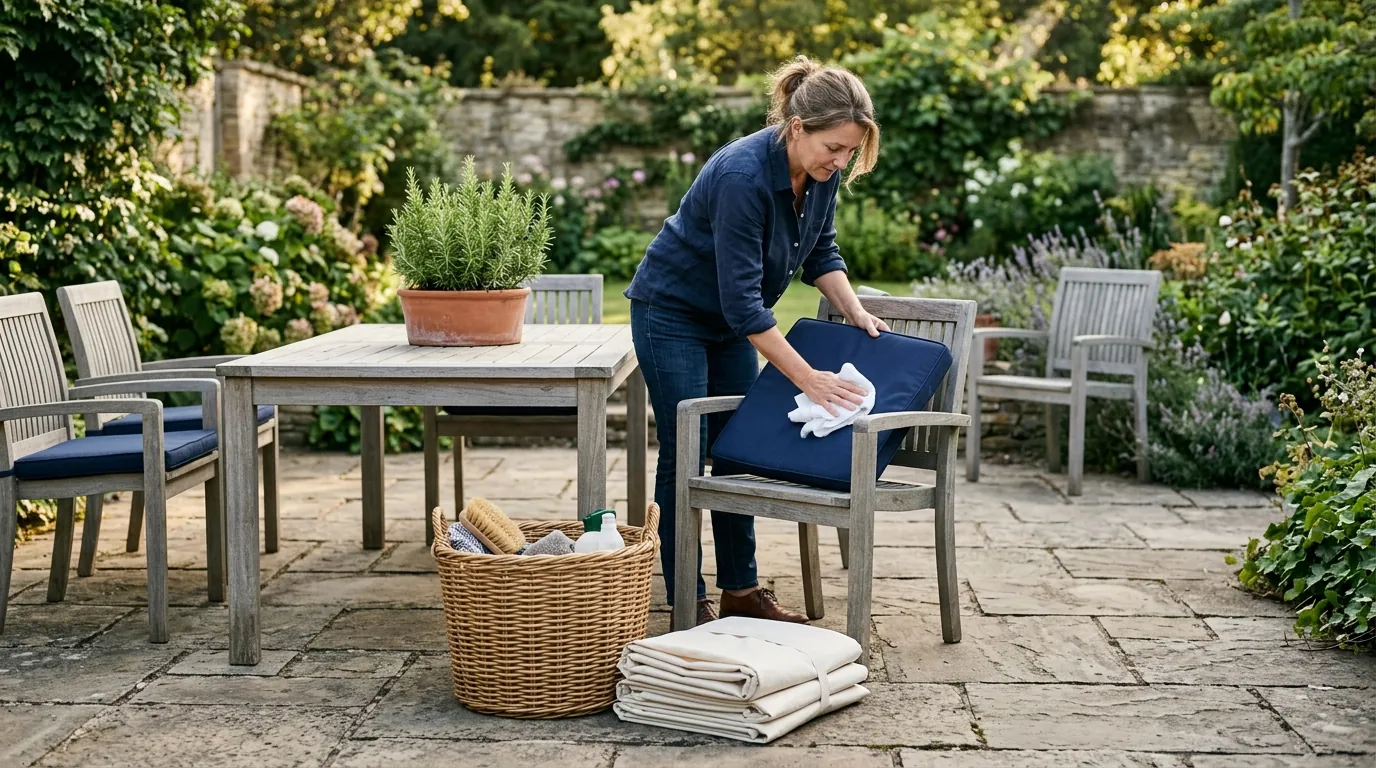
Even highly sun-resistant fabric lasts longer when dirt, sunscreen, and organic debris are removed promptly. Brush off loose particles weekly and follow the manufacturer’s instructions for diluted soap, rinsing, and air-drying.
Rotate reversible cushions every few weeks and store them dry during extended periods of nonuse. For more maintenance guidance, see the essential outdoor fabric care guide.
FAQ
What is the best sun-proof fabric for outdoor use?
The best sun-proof fabric for outdoor use is typically solution-dyed acrylic because its pigment is integrated throughout the fibers. No textile is completely immune to sunlight, so select an exterior-rated grade with documented UV testing and a fade warranty.
What type of fabric is most effective for sun protection?
The type of fabric most effective for sun protection is a densely woven textile with a verified UPF 50 rating. Darker colors and tighter constructions often block more UV radiation, but the labeled UPF rating provides the clearest performance measure.
See if Essential Fabric Care for Outdoors | Outdoor Fabric Care eBook | Digital Download Guide for Cleaning, Protecting & Maintaining Outdoor Fabrics fits your setup









Leave a comment