Why Is My Mason Jar Sealer Not Sealing? Fix Common Leaks

60% off on product page · save $29.30
Why Is My Mason Jar Sealer Not Sealing? Fix Common Leaks

Why is my mason jar sealer not sealing?
A mason jar sealer usually fails because air is leaking around the lid, jar rim, or sealer attachment. Start with a clean, dry jar and a new, undamaged lid, then check that the attachment matches the jar’s mouth size.
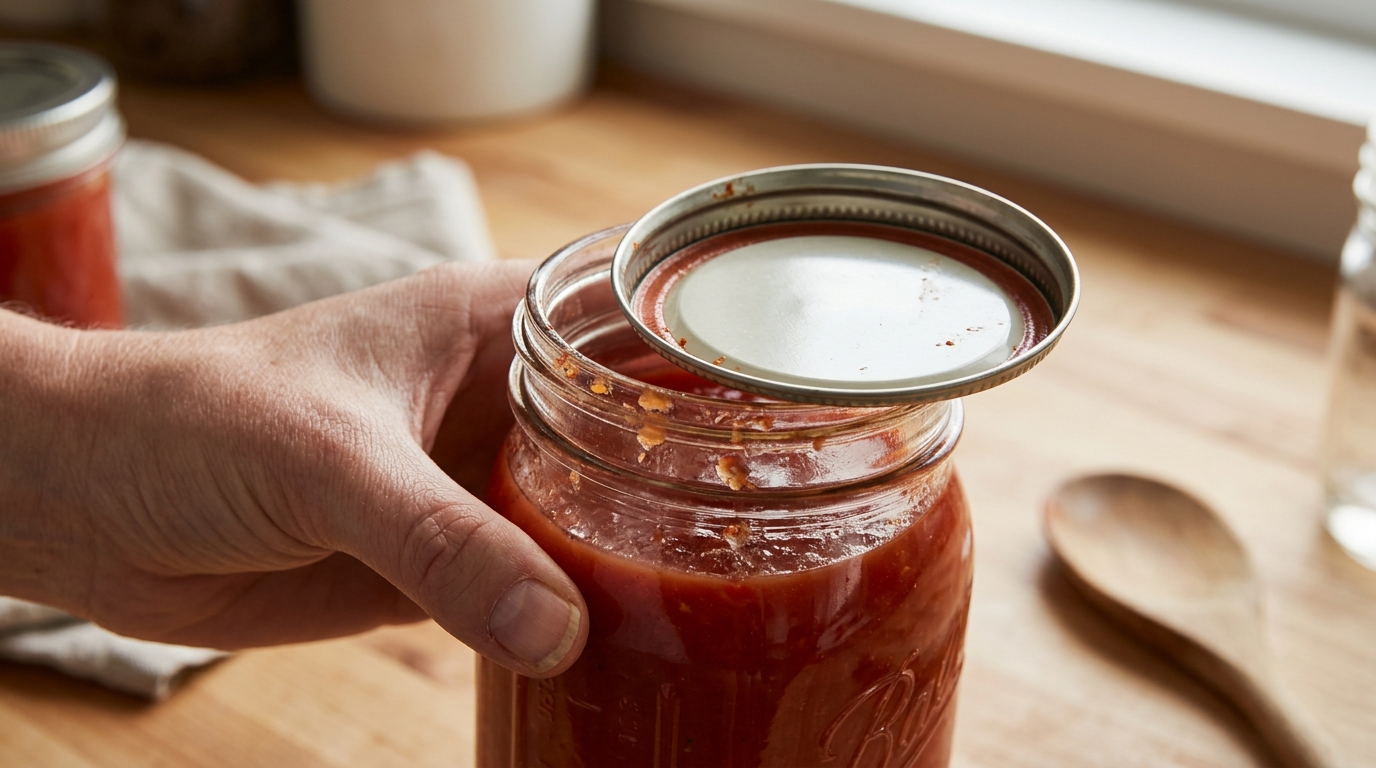
Check the rim and lid
Run a fingertip around the jar rim to find chips, cracks, or dried food that could break the seal. Wipe the rim clean and try a new, flat lid; a bent or previously used lid may not hold a vacuum reliably.
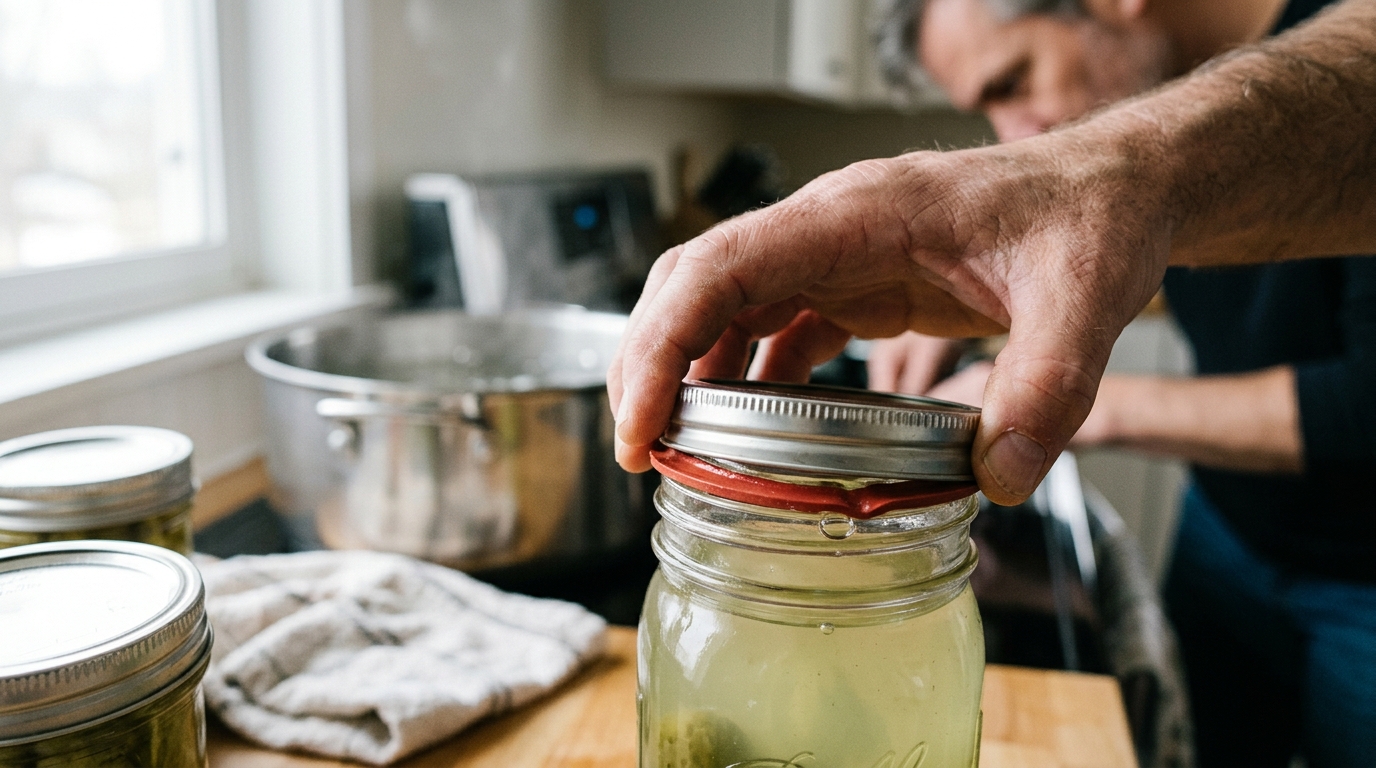
Featured in this guide
Vintage Embossed Glass Storage Jar with Airtight Seal – 23.7 oz
Match the attachment to the jar
Regular-mouth and wide-mouth mason jars need their corresponding sealer attachments. Press the attachment down evenly, and make sure the hose is firmly connected at both ends before starting the pump.
Look for leaks in the equipment
Inspect the sealer’s gasket and hose for debris, loose fittings, or visible damage. If the pump runs but the lid never grips, test a second compatible jar and lid to narrow down where the leak is occurring.
Check the seal after pumping
Remove the attachment gently, then lift the jar by its edges rather than pulling on the lid. A lid that comes off easily did not seal; repeat the process with a clean rim and fresh lid. Vacuum sealing is for storage and does not replace a tested heat-processing method for shelf-stable canning.
Consider the jar itself
Decorative storage jars may have different rim shapes or closures than mason jars. Check the jar and sealer specifications before attempting to use them together. For details on a decorative option, see the 23.7 oz vintage embossed glass storage jar guide.
FAQ
Why is my mason jar sealer not working?
Your mason jar sealer may have a loose hose, dirty gasket, or attachment that does not fit the jar. Check those parts, then test it with a clean, undamaged mason jar and a new lid.
What is the best jar sealer for mason jars?
The best jar sealer for mason jars is one compatible with your regular-mouth or wide-mouth jars and your pump. Look for a snug gasket, secure hose connection, and replacement parts you can obtain if needed.
See if Vintage Embossed Glass Storage Jar with Airtight Seal – 23.7 oz fits your setup













Leave a comment