23.7 oz Vintage Embossed Glass Storage Jar Guide
60% off on product page · save $29.30
A Vintage-Inspired Glass Jar for Beautiful Everyday Order
Decorative Storage, Quietly Refined
The Vintage Embossed Glass Storage Jar with Airtight Seal – 23.7 oz combines a transparent glass body with raised, vintage-inspired detailing. It is a new storage piece rather than a verified antique.
The clear body keeps contents visible, while the embossed surface adds dimension on a pantry shelf, vanity, countertop, or open display. Its compact capacity is suited to modest quantities and small essentials used often.
What Embossed Glass Means
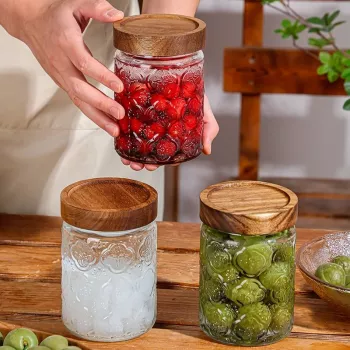
Embossed glass features lettering, borders, symbols, or patterns raised above its surface, usually through molding or pressing. Etched decoration, by contrast, is recessed, frosted, or chemically treated. The Corning Museum of Glass dictionary provides additional terminology for glassmaking techniques and decorative features.
Historic bottles and pressed-glass objects often used molded designs to identify manufacturers, contents, ownership, or decorative patterns. However, embossing alone does not prove age, rarity, or value. Modern manufacturers can reproduce traditional motifs. On a display jar, raised details catch the light and create visual depth even when the container is empty.
Embossed, Etched, and Plain Glass Compared
| Glass Style | Surface Appearance | Typical Character |
|---|---|---|
| Embossed | Raised patterns or lettering | Textured and nostalgic |
| Etched | Recessed, frosted, or matte decoration | Delicate and refined |
| Plain | Smooth, undecorated surface | Simple and versatile |
Featured in this guide
Vintage Embossed Glass Storage Jar with Airtight Seal – 23.7 oz
Where the 23.7 oz Size Works Best
In the kitchen, consider loose-leaf tea, coffee beans, sugar cubes, wrapped candy, dried herbs, or a small portion of snacks. Beyond the pantry, the jar can organize cotton rounds, bath salts, buttons, beads, ribbon pieces, clips, or hair ties.
A simple label noting the contents and fill date can make identification and rotation easier. Leave the closure area clear rather than overfilling the jar, since trapped ingredients may prevent the lid from seating properly.
Style It with Restraint
Embossed glass pairs naturally with wood, linen, stoneware, and metal. Dark timber and classic ceramics create a traditional mood; mixed glassware and colorful objects make the arrangement feel more eclectic.
For a composed shelf, vary the height of nearby objects while preserving open space around the jar. Clear glass also works easily with changing seasonal colors because it remains visually neutral.
Keep the jar within safe reach and away from counter edges, sinks, stovetops, or locations where it could be knocked over or exposed to abrupt temperature changes.
Care and Safety Considerations
Dishwasher, microwave, freezer, and heat resistance are not specified in the available product information. Avoid assuming the jar is suitable for those uses, and follow any care instructions supplied with it.
Keep the sealing rim free from crumbs, powder, and oil. Stop using the jar for airtight storage if the closure no longer fits securely, and do not use chipped or cracked glass.
An airtight household seal is not a substitute for tested canning equipment or approved preservation methods. Decorative styling likewise does not make the jar suitable for heat processing.
Vintage-Inspired, Not Verified Antique
Authenticating older glass can involve maker’s marks, base codes, mold seams, closure styles, manufacturing methods, color, provenance, and documented patterns. Bubbles, surface irregularities, and embossed lettering do not prove age on their own.
This jar is presented as a new storage product with vintage-inspired styling, not as a documented historical artifact. Collectors assessing older glass should compare multiple characteristics with established references and qualified specialist opinions.
Compare related options such as AI Tools for Fast Image Ideas Checklist | Creative Prompt Builder | Digital Download for Designers, Creators & Etsy Sellers to match features, dimensions, and use case before choosing.
FAQ
What is the most sought after vintage glass?
Demand varies, but rare maker-documented pieces, limited colors, intact historical sets, and patterns with strong provenance are often highly sought after. Condition, authenticity, and current collector interest significantly affect desirability.
What is embossed glass?
Embossed glass has raised designs, lettering, or patterns formed on its surface, commonly through molding or pressing. Unlike embossing, etched decoration is cut, frosted, or treated into the surface.
What is the old vintage glass called?
Terms depend on the object and manufacturing method, with common descriptions including antique glass, vintage glassware, pressed glass, Depression glass, and art glass. A specialist identification usually requires more than appearance alone.
How can I identify vintage pressed glass patterns?
Compare the motif, dimensions, color, mold seams, base markings, and edge details with documented pattern guides and manufacturer catalogs. Reproductions can be similar, so multiple characteristics should agree.
What are jars with rubber seals called?
They may be called gasket jars, clamp-top jars, bail jars, or hermetic-style jars, depending on the lid mechanism. Not every sealed jar is tested or approved for home canning.
See if Vintage Embossed Glass Storage Jar with Airtight Seal – 23.7 oz fits your setup









Leave a comment