Rarest Mason Jars: What Collectors Look For

60% off on product page · save $29.30
Rarest Mason Jars: What Collectors Look For
What Is the Most Rare Mason Jar?
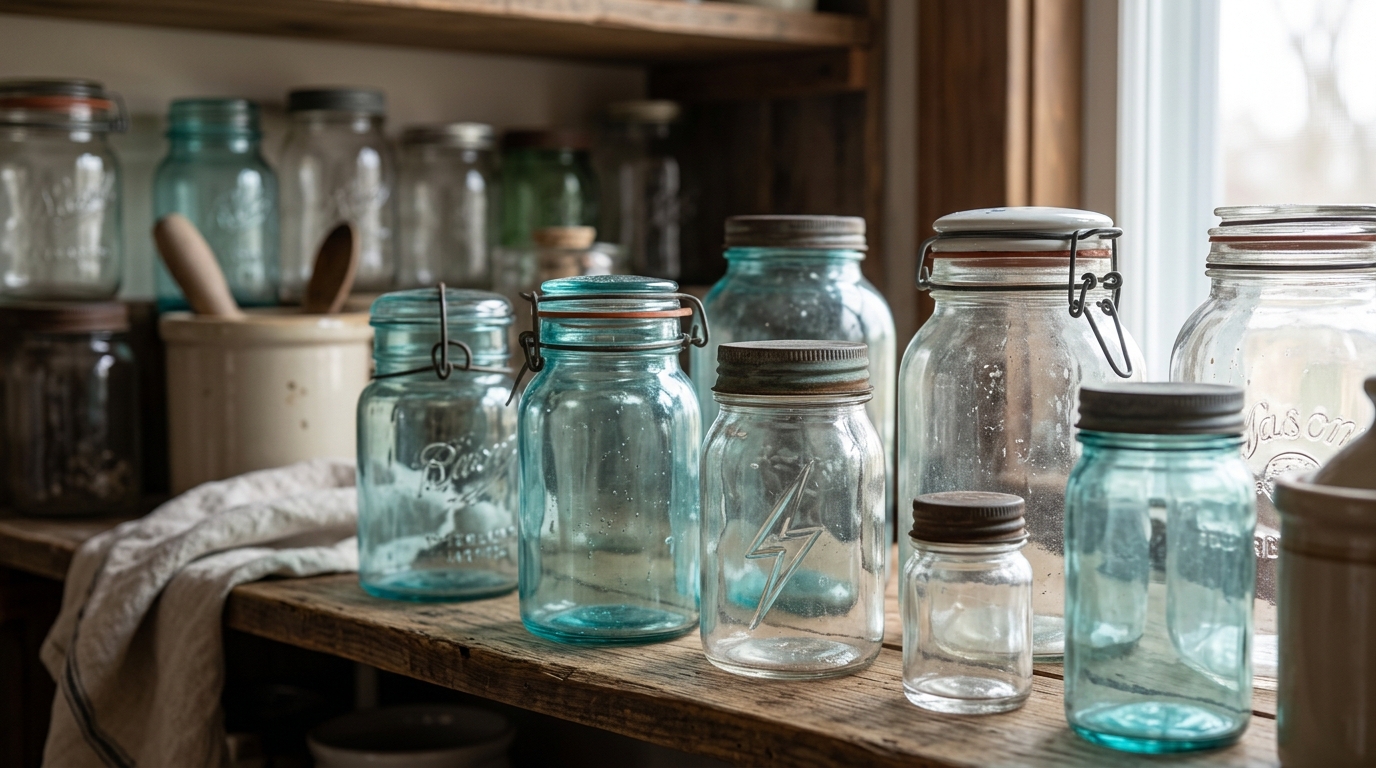
There is no single Mason jar that collectors universally recognize as the rarest. The strongest contenders are early patent-era jars and later jars made in exceptionally scarce colors or experimental designs. A jar’s age alone does not make it rare: its maker, color, condition, closure, and documented production history all matter.
Why Early Patent Jars Stand Out
John Landis Mason patented his screw-top jar in 1858, and surviving early examples can be highly collectible. Check the embossing and closure together rather than relying on a patent date stamped into the glass; that date identifies the invention, not necessarily the year the jar was made.
Featured in this guide
Vintage Embossed Glass Storage Jar with Airtight Seal – 23.7 oz
Color and Design Can Change the Picture
Common clear and aqua jars are easier to find than verified examples in unusual colors. An uncommon shape or closure can add interest, too, but compare it with documented examples before treating an unusual jar as a scarce production variant.
Condition Matters as Much as Scarcity
Inspect the rim for chips, the body for cracks, and the embossing for wear. An original lid may strengthen a jar’s appeal, while a replacement closure, staining, or damage can affect what a collector will pay—even for a hard-to-find piece.
How to Evaluate a Jar You Own
Photograph the base, side lettering, finish, and lid in natural light, then measure the jar’s height and capacity. For more help examining embossed glass and practical jar features, see the vintage embossed glass storage jar guide. If the jar appears exceptional, seek an appraisal based on comparable sales rather than an asking price.
FAQ
Why are 13 mason jars rare?
A “13” on the base is generally a mold number, not proof of a rare edition. Stories about the number’s supposed bad luck are not a reliable basis for valuing a jar.
How much is an 1858 ball Mason jar worth?
There is no dependable price based on the “1858” marking alone because it refers to Mason’s patent date, not necessarily the jar’s manufacture date. Value depends on the specific jar’s age, color, condition, and comparable sales.
See if Vintage Embossed Glass Storage Jar with Airtight Seal – 23.7 oz fits your setup












Leave a comment