Best Mason Jar Alternatives for Food Storage
60% off on product page · save $29.30
Best Mason Jar Alternatives for Food Storage
What Are Some Alternatives to Mason Jars?
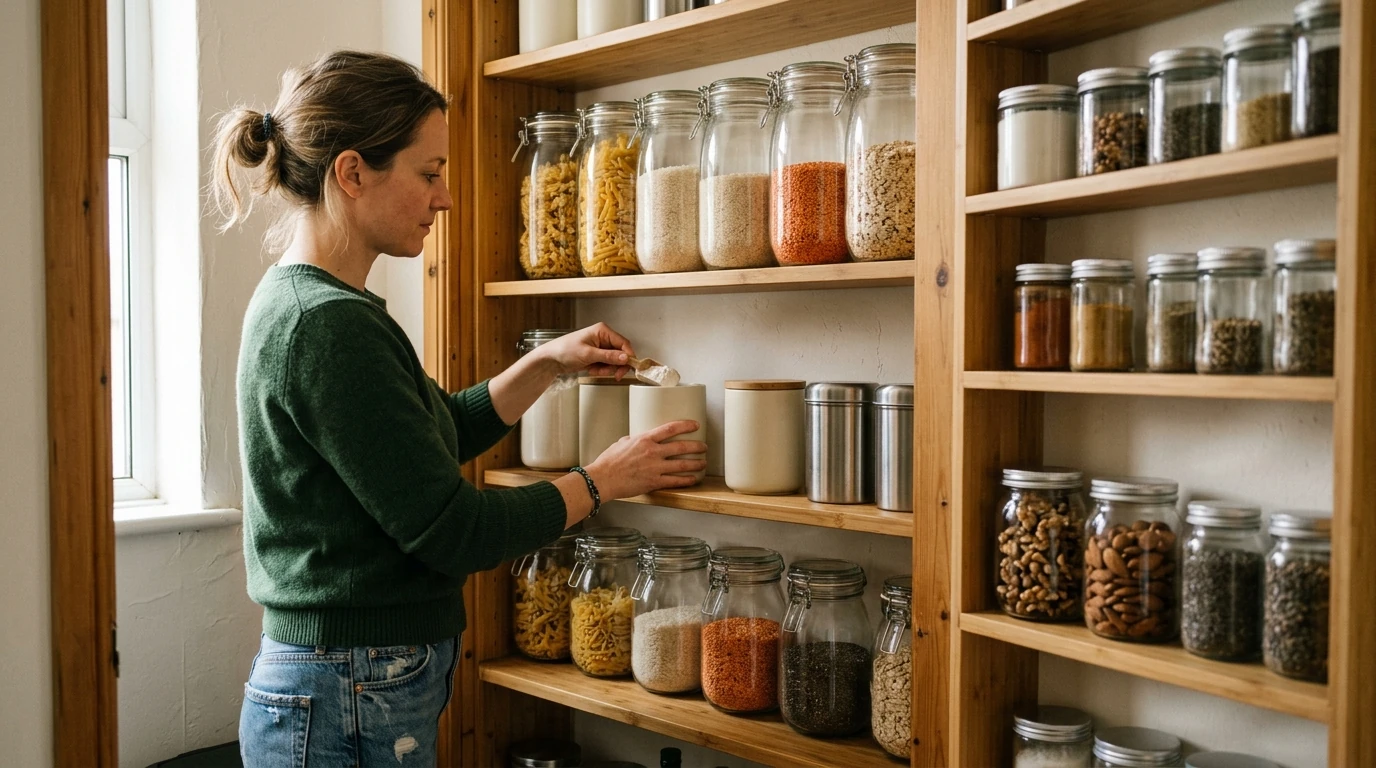
Mason jars are useful, but they are not the only option for organizing a pantry, storing leftovers, or displaying dry ingredients. Practical alternatives include clamp-top glass jars, recycled food jars, ceramic canisters, stainless steel containers, and food-grade plastic tubs. The right choice depends on whether you need an airtight seal, freezer compatibility, decorative appeal, or safe heat processing.
Clamp-Top and Embossed Glass Jars
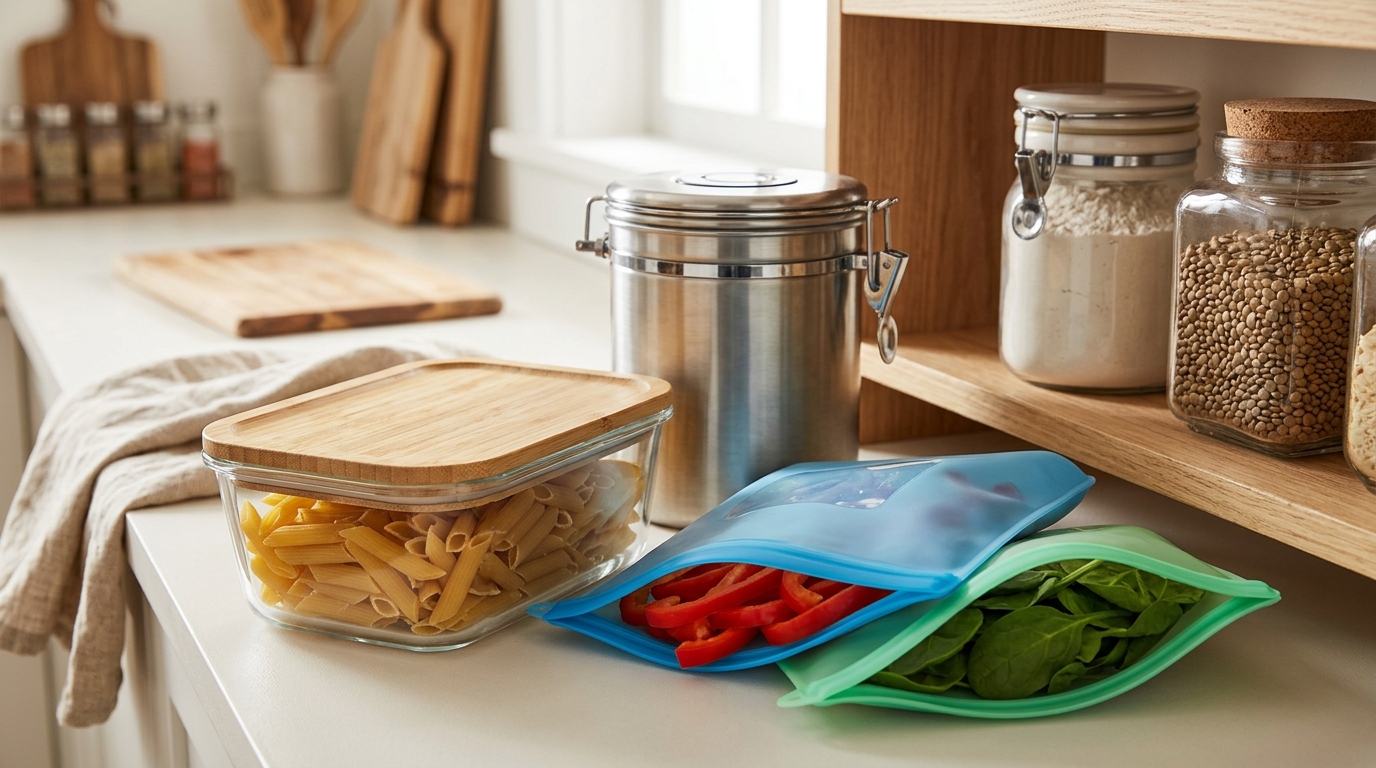
Clamp-top jars use a hinged lid and rubber gasket to create a snug seal. They are well suited to coffee, tea, pasta, rice, and other dry goods, although they should not be used for home canning unless the manufacturer explicitly approves them for that purpose. For a decorative pantry option, explore this guide to a 23.7-ounce vintage embossed glass storage jar.
Featured in this guide
Vintage Embossed Glass Storage Jar with Airtight Seal – 23.7 oz
Reused Food Jars
Clean jam, pasta sauce, and pickle jars offer an inexpensive alternative for non-canning storage. Check each jar for chips, cracks, lingering odors, and rust inside the lid before filling it. Use these containers for dry ingredients, refrigerated leftovers, craft supplies, or small household items rather than pressure canning.
Metal, Ceramic, and Plastic Containers
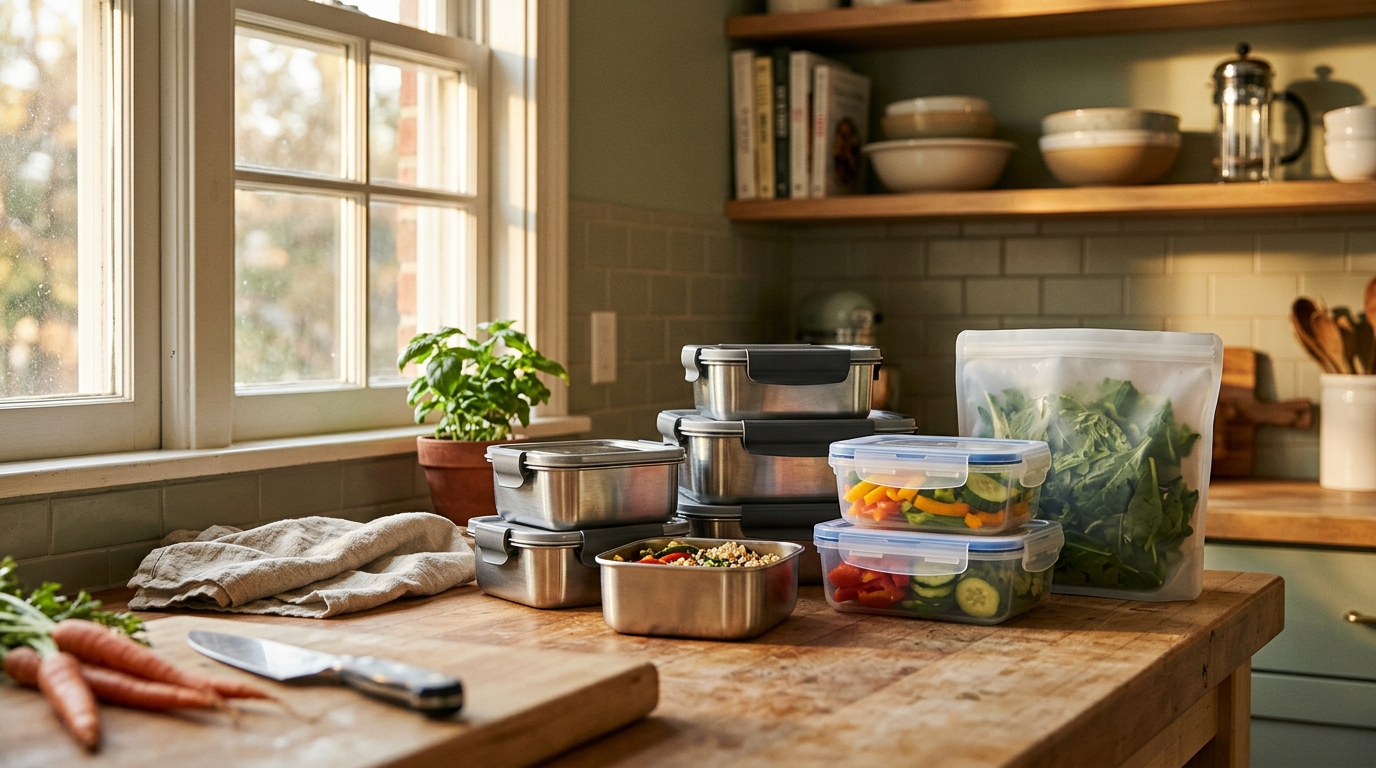
Stainless steel containers resist breakage and work well for lunches or leftovers, while glazed ceramic canisters provide opaque storage for light-sensitive pantry staples. Food-grade plastic containers are lightweight and easy to stack. Verify that any container is labeled for food contact and compatible with the freezer, microwave, or dishwasher before use.
FAQ
What can I use instead of mason jars?
You can use clamp-top glass jars, reused food jars, ceramic canisters, stainless steel containers, or food-grade plastic tubs instead of Mason jars. Choose a container rated for the intended temperature and storage method.
What did people use before mason jars?
Before Mason jars, people preserved food in crocks, barrels, tins, bottles, and wax- or cork-sealed glass vessels. Salting, smoking, drying, fermenting, and storing foods in cool cellars were also common preservation methods.
What is the healthiest container to store food in?
Glass and stainless steel are popular food-storage materials because they are durable, nonporous, and easy to clean. The healthiest container is intact, food-safe, and used according to its temperature and handling instructions.
What’s the cheapest place to buy mason jars?
The cheapest source varies by location, quantity, and season. Compare grocery, hardware, farm-supply, thrift, and online stores while accounting for shipping and whether lids are included.
See if Vintage Embossed Glass Storage Jar with Airtight Seal – 23.7 oz fits your setup












Leave a comment