-
Shop
- Advanced Technologies
- AI Skills Mastery 2026 Collection
- Back to School
- Bathroom
- Black Friday
- Black Friday Sale
- Car Accessories
- Christmas Collection
- Dating & Social Skills
- Digital Resources
- Education & Learning
- Family & Parenting
- Fashion
- Fashion Accessories
- Furniture
- Gadgets
- Halloween
- Health & Beauty
- Health & Wellness
- Home & Garden
- Home Electronics
- Kids & Babies
- Kitchen
- Lighting
- Nike
- Patio, Lawn & Garden
- Personal Growth
- Pet Care
- Pet Supplies
- Pets
- Sport & Outdoors
- Thanksgiving
- Baby Products
- Friendsgiving Ideas
- Gifts
- Kitchen Essentials
- Outdoor & Entertainment
- Pet Products
- Small Business Saturday Marketing
- Thanksgiving Activities for Kids
- Thanksgiving Classroom Activities
- Thanksgiving Dinner on a Budget
- Thanksgiving Dinner Planning
- Thanksgiving Games
- Thanksgiving Recipes
- Thanksgiving Table Decor
- Thanksgiving Travel Planning
- Travel
- Wealth
Find Your Decorating Style: A Guide to Home Aesthetics
50% off on product page · save $22.99
Find Your Decorating Style: A Guide to Home Aesthetics
Start With the Feeling You Want
Before you choose a style, pick three words for the atmosphere you want at home. You might choose calm, welcoming, and warm—or playful, colorful, and relaxed. Keep those words nearby as you consider changes. They give you a way to judge an idea beyond whether it looks good in someone else’s room.
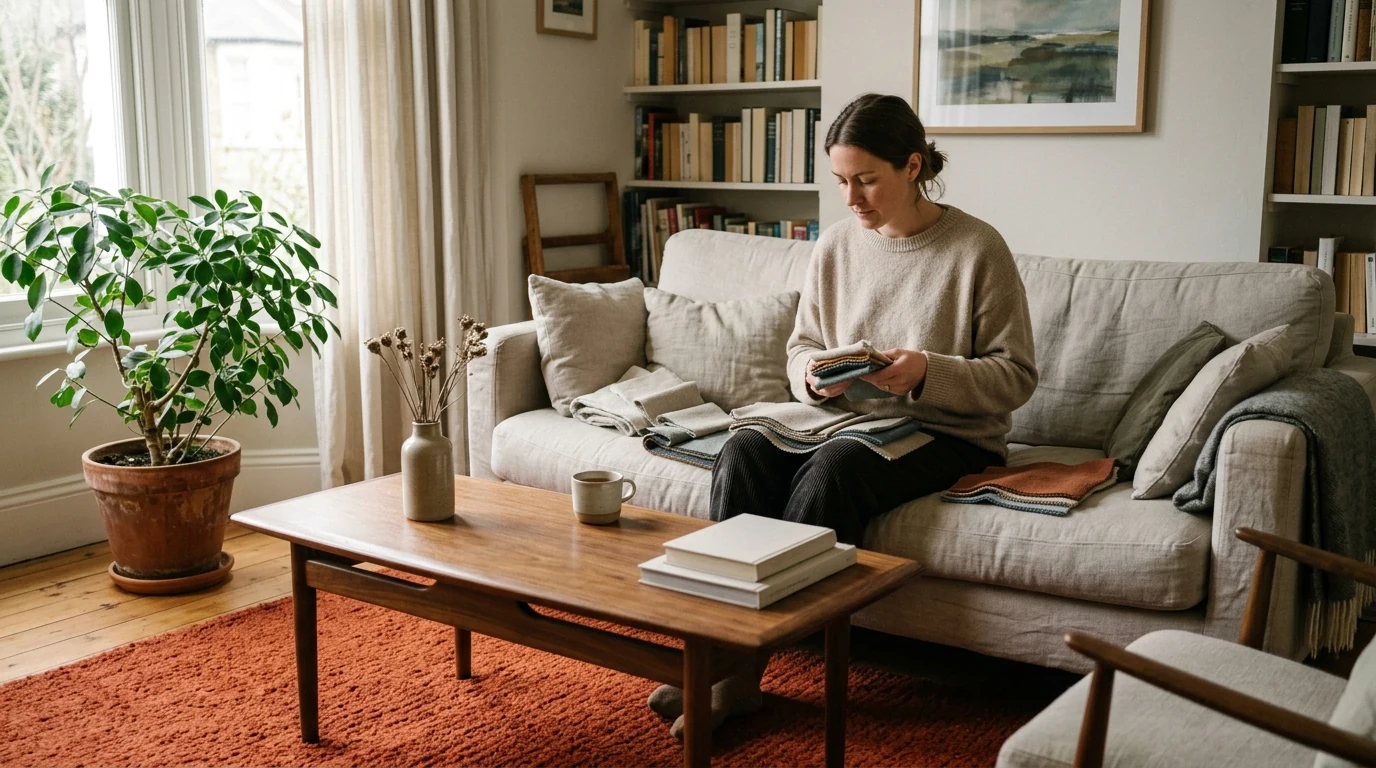
Next, look at the furniture and objects you already love. Do you keep reaching for pale wood, curved shapes, patterned fabric, or simple ceramics? Repeated colors, materials, and shapes often reveal your preferences more clearly than a label does. You may find that several styles appeal to you. Choosing one as a foundation can make decisions easier without requiring every piece to match it.
Compare styles without treating them as rules
Look for the details that appeal to you rather than trying to match a style perfectly. These are broad cues, not requirements.
| Style | Common cues | Small place to start |
|---|---|---|
| Modern | Clean lines and restrained details | Try one simple-lined piece |
| Traditional | Classic shapes and layered textiles | Add a patterned cushion |
| Scandinavian | Light tones and practical comfort | Try warm lighting and texture |
| Bohemian | Collected objects and mixed patterns | Group a few meaningful finds |
| Coastal | Airy colors and casual textures | Add a soft blue accent |
| Industrial | Utilitarian forms, metal, and wood | Consider a metal lamp |
Featured in this guide
Your Ultimate Guide to Decorating Styles: Explore Types of Home Decor Styles eBook for Every Home Aesthetic
Make a mix feel intentional
If you like more than one style, give different pieces a connection. A traditional chair and a modern lamp can share a finish, color, or curved shape. Carry two or three colors through the room, then use smaller items for accents you may want to change later.
Your tastes outside home decor can offer clues, too. If the playful floral pattern on our Cute Lace Floral Lolita Stockings catches your eye, you might enjoy a floral cushion or artwork. You can take inspiration from the pattern without copying it.
Take one manageable next step
Save a few rooms you like and note what repeats: perhaps pale wood, soft lighting, or bold pattern. Choose one idea that also fits your space and routine, then live with the change before making another.
If you want a dedicated resource while exploring, our Your Ultimate Guide to Decorating Styles eBook gives you a place to continue considering home aesthetics. Let your own preferences and practical needs guide the final choices.
Check the product’s listed specifications when evaluating take one manageable next step.
Keep Exploring Your Home Aesthetic
If you want more time to explore your options, our Your Ultimate Guide to Decorating Styles eBook is a next step. Use it alongside your own notes: save rooms you like, record the colors and furnishings that keep appearing, and notice which ideas fit the way you live. Then choose one manageable update to try at home. You can build a cohesive room gradually, without losing the details that make it personal.
Before choosing, compare the product details with your daily routine, available space, care needs, and preferred setup. The strongest option is usually the one that fits the intended use clearly and remains simple to clean, store, and check before repeat use.
It is also worth checking measurements, material notes, included parts, and compatibility details so the item matches the way it will be used after delivery.
FAQ
What is the most popular decor style right now?
Popularity changes, and no single style is the best choice for every home. Start with features you enjoy and can live with comfortably, then add current touches only if they suit your space.
What is my decorating style free?
Save images of rooms you like, note recurring colors, shapes, and materials, and compare them with pieces you already enjoy at home. Those patterns can point you toward a style or a mix of styles without a paid tool.
What are the types of decorating styles?
Modern, traditional, Scandinavian, bohemian, coastal, and industrial are a few common examples. Many homes combine elements of several styles rather than following just one.
What items make your house look cheap?
Price alone does not determine how a room looks. Harsh lighting, excess clutter, and furnishings that appear out of scale can be more distracting than the cost of any individual item.
See if Your Ultimate Guide to Decorating Styles: Explore Types of Home Decor Styles eBook for Every Home Aesthetic fits your setup
Was this article helpful?
Yes
No


Leave a comment